Blog
Contact Us
At Credit Care of DMV, we don’t just repair, but also educate people about credit so that they never find themselves in that same situation in life.
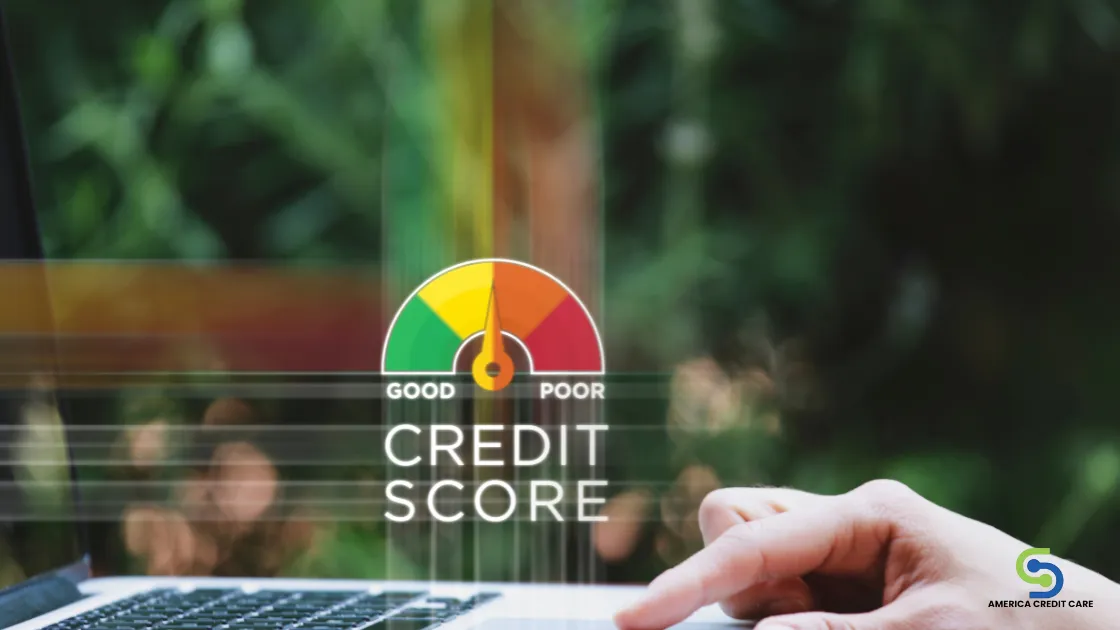
Secured Cards vs Builder Loans: Which to Choose?
Millions of Americans still struggle with weak or missing credit.
In early 2025, about 23.9% of adults with a credit record reportedly had a subprime score.
According to Experian, approximately 13.2% of Americans had a FICO Score in the "Poor" range (300-579) while another 15.5% fell into the "Fair" range (580-669) in 2024.
Banks and other lending institutions perceive such consumers as high-risk borrowers. That translates into tens of millions paying more for car loans, credit cards, and sometimes even insurance.
Another group has almost no data at all.
Millions of consumers, especially younger Americans and recent immigrants, may struggle with a thin file.
According to a report published by the Federal Reserve in September 2025, roughly 32 million American adults are “unscoreable,” including about 7 million who are entirely “credit invisible” and 25 million with thin files.
For these consumers, a single well-managed account can be the difference between no score and a usable credit profile.
Book Your Free Personal Credit Consultation Today!
Secured credit cards: How they work
A secured credit card looks and swipes like a regular card, but with one critical difference: it requires a cash deposit upfront.
Yes, you put down a refundable security deposit, say $200 or $500 that usually equals your credit limit.
This collateral protects the lender, which is why they are often willing to issue the card to people with bad credit or no credit history.
You use the card for purchases, make your payments on time, and the issuer reports your limit, balance, and payments to the credit bureaus. On-time payments and low balances help build your credit score over time.
Pros of secured credit cards:
You get immediate credit access with secured credit cards. Approvals are easier (even with poor or limited credit) than traditional cards and you can use the card for purchases right away.
Secured credit cards help build both payment history and revolving credit. Together, these two factors make up most of a FICO score.
Many issuers automatically review your account after 6–12 months and convert it to an unsecured card. Your deposit is refunded after consistent, responsible use.
Cons of secured credit cards:
You need upfront cash ready for the deposit, which can be hard if money is tight.
Credit cards carry high credit utilization risk when you are going through a rough patch. In such a situation, it is easy to overspend and carry high balances, which can hurt scores because utilization (ideally keep it below 30%) is so heavily weighted.
If you carry a balance, you will pay interest just like a traditional credit card. Fees and interest can be steep if you only make minimum payments.
Secured credit cards typically have low initial limits (e.g., $200 to $5,000).
Credit builder loans: How they work
A credit builder loan flips the usual loan model. It’s an effective, low-risk way to show you can handle installment debt.
In this case, the lender holds the loan principal, say $500 or $1000, in a ‘locked’ savings account or Certificate of Deposit (CD), and you make regular monthly payments on the loan plus interests and fees until it is paid off.
Your on-time payments are reported to the credit bureaus; Once you’ve successfully made the final payment, the lender releases the savings account to you.
By the end, you’ve successfully paid off a loan and received the principal back, all while building a positive payment history.
Pros of credit builder loans
You just need to cover the first month’s payment; no large deposit is required.
You build savings as you go, which can double as an emergency fund.
It is often easier to qualify for credit builder loans than regular personal loans, especially if you lack a robust history.
Since you don't access the money upfront, there is no risk of maxing out the card or incurring revolving debt.
A CFPB study found credit builder loans were especially powerful for people with no existing debt, with score gains around 60 points higher than those who already carried debt.
Cons of credit builder loans:
You cannot use the money until the end; so, this is not a quick cash solution if you are going through a difficult period.
You must budget for a fixed monthly payment; missed payments will damage your credit.
While helpful, it doesn't build the revolving credit history that lenders weigh heavily.
You will pay a small amount in interest and administrative fees to the lender for the service; interest and fees can vary widely by lender or credit union.
Secured credit card vs credit builder loan: Key differences
Secured credit cards build revolving history and utilization while credit builder loans build installment history and savings.
Secured credit cards require lump-sum deposits (often $200–$500) while credit builder loans require no large deposits; you pay over time.
Secured credit cards provide immediate access to funds (you can spend up to a limit). In case of credit builder loans, funds are locked until the loan is repaid.
With secured credit cards, the risk of new debt is high if you overspend and carry balances. With credit builder loans, however, the risk is lower because the monthly payment is fixed and the principal loan amount is locked.
Secured credit cards are best for people who need a usable credit card as they improve their credit score. Credit builder loans are best for people with no prior debt, who can budget a payment and want forced savings.
How to choose the right option
Consider your unique financial situation and short-term (6-12 months) goals.
If you have stable cash flow and need a working card for travel, online purchases, or emergencies, a low-fee secured card used lightly and paid in full each month can build credit and convenience at the same time.
Just be mindful of keeping your utilization i.e. balance divided by limit, well below 30%, and ideally under 10%.
It is one of the most important factors that you need to keep in mind if you want to build a positive credit history or improve your credit score.
If you struggle with overspending or do not trust yourself with open credit, a builder loan can be safer.
Payments are predictable, you cannot swipe more, and you emerge with a thicker file plus a small savings cushion.
That is especially attractive if you are starting from no file or thin file and have little or no existing debt.
In many cases, doing both in sequence works best.
Some consumers pair one small builder loan with a modest secured card, adding both an installment account and a revolving line—credit mix that models tend to reward when managed well.
Other fast, legit ways to build credit
Beyond secured cards and builder loans, there are several widely recommended tactics that you can use to build a positive credit history.
Become an authorized user: Being added to a trusted person’s long‑standing, well‑managed card can help, especially when the issuer reports authorized user data and the primary cardholder keeps utilization low and pays on time. Major bureaus and FICO models can factor this history into your scores.
Use a rent reporting service: Several services now help landlords or tenants report on‑time rent payments to credit bureaus. Federal Reserve and regulatory commentary on “alternative data” highlights this kind of recurring payment reporting as a promising way to expand access for people with thin files.
Report utilities and phone bills where available: Some tools let you add positive payment history on utilities, streaming, or phone bills to your credit files, again using alternative data to make you more “visible.”
Get a cosigner when appropriate: For larger loans, a well‑qualified cosigner can help you get approved on better terms, which then lets you build history. Do keep in mind that late payments will hurt both of your credit scores. Lenders and the Fed’s surveys show that weak credit often leads to denials or lower‑than‑requested credit lines, so stronger combined files can matter.
Work with a reputable credit restoration service: When your credit reports contain errors, mixed files, or stubborn derogatory marks that do not look right, a legitimate credit restoration service like AMERICA CREDIT CARE can document inaccuracies, and press for corrections under federal law. That kind of credit report cleanup does not replace positive tradelines like secured cards or builder loans—but it ensures you are not dragging avoidable mistakes while you rebuild.
Book Your Free Personal Credit Consultation Today!
Take the first step
The most important step is to pick one tool you can manage well and start today, rather than waiting for a perfect plan.
If cash is tight and you want forced discipline, a small credit builder loan from a community bank or credit union may be the safest introduction.
If you value flexibility and can keep spending in check, a low‑fee secured card with a modest limit can give you both everyday utility and steady score growth.
Whichever path you choose, the fundamentals do not change: pay on time every month, keep balances low, avoid unnecessary new applications, and monitor all three credit reports for accuracy.
Over 6 to 12 months, those habits—paired with the right products—can move you from invisible or subprime toward the kind of profile that opens real doors.

LET'S TALK
Get in Touch.
Thank you for your interest in Credit Care of DMV. Please use the contact form to tell us about your inquiry and/or needs. We look forward to partnering with you.

Office
NMLS ID 2423540
16701 Melford Blvd
Ste 400
Bowie, MD 20715

Email Us

Phone Support
+1 (240)-347-5995- Calls
+1 (240) 376-2552 - Text

GET IN CONNECTED
Follow Our Social Media


Need help?
Don't hesitate to contact us.
We have many years of experience in evaluating credit and guiding consumers to assert their legal rights. We do it every day! We guarantee honesty and dependability, virtues which most people seem to have forgotten.



FREE DIY Credit Repair Toolkit!
Signup for our DIY Credit Repair Toolkit! Also get updates, promotions, news & insight about finance.
Copyright ©2026 America Credit Care. All rights reserved. Powered by WebbArtt Solutions
Legal Notice
NMLS # 2423540
Term of Use
Privacy Policy
Cookie Policy
We have many years of experience in evaluating credit and guiding consumers to assert their legal rights. We do it every day! We guarantee honesty and dependability, virtues which most people seem to have forgotten.

Copyright © 2026 America Credit Care. All rights reserved. Powered by WebbArtt Solutions