
Blog

Contact Us
At Credit Care of DMV, we don’t just repair, but also educate people about credit so that they never find themselves in that same situation in life.
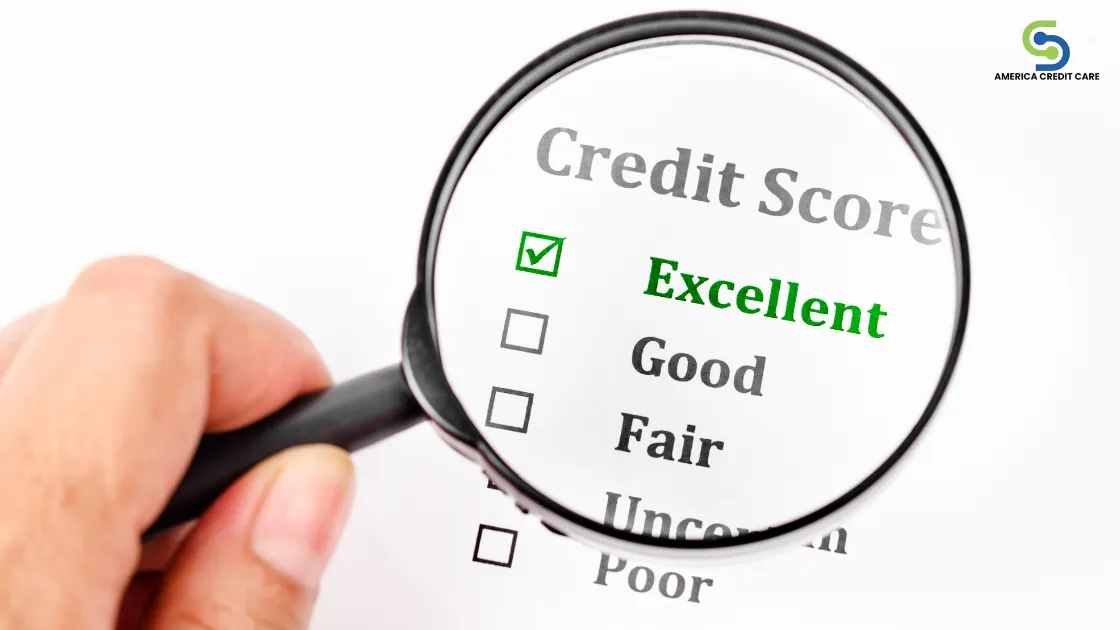
Credit Mix Explained: The Simple Trick That Boosts Your Score
If you ask most people what hurts their credit, they’ll say: “paying late” or “maxing out cards.” They’re right, but that’s only part of the story. Many Americans with bad or mediocre credit have never missed a payment and don’t carry big balances. Yet they still get turned down for good rates.
Yes, gone are the days when credit scores used to feel simple: pay on time, don’t max out your cards, and you’re fine. As lenders have become more data-driven, the rules have evolved too.
Now, millions of people with “okay” habits are stuck with “okay” scores. They often end up overpaying when they get a mortgage, a car loan or a new line of credit.
It happens slowly, through small decisions that seem harmless at the time: using only one credit card, avoiding loans altogether, or closing old accounts to “simplify” life.
Yes, what trips up millions of Americans is not just late payments or high balances. It is a misunderstood piece of the puzzle called credit mix.
Book Your Free Personal Credit Consultation Today!
Lenders and modern scoring models now look closely at the types of credit you use, not just how much you owe, and how often you pay on time.
Get this mix wrong, and you quietly leave points on the table. Get it right, and your score can move faster than you think.
What is credit mix
Credit mix is a scoring factor that measures the variety of credit accounts you manage. Instead of judging only your balances or due dates, modern models like FICO and VantageScore also score you on how well you handle different structures of debt.
It is like your “portfolio” of credit or the diversity of your credit accounts.
The credit bureaus want to see that you can manage two distinct types of debt:
Revolving Credit: These are accounts like credit cards or Home Equity Lines of Credit (HELOCs) where you have a limit, use what you need, and pay it back (and then use it again).
Installment Credit: These are loans with a fixed end date and a set monthly payment, such as auto loans, mortgages, student loans, or personal loans.
When you show you can handle both types responsibly, you earn extra points in the scoring formula.
You don’t need every type available. You just require a reasonable, manageable combination that proves you can handle different payment patterns.
In 2026, with the widespread adoption of FICO 10T and VantageScore 4.0, credit mix has now taken on a more nuanced role. The latest models use "trended data." This means they aren't just looking at whether you have a mix, but how that mix behaves over time.
For example, someone who successfully manages both a car loan (installment) and two credit cards (revolving) shows a much higher level of financial "depth" than someone with five credit cards. The newer models reward this stability because it’s a statistically proven predictor of future reliability.
How much does credit mix weigh in VantageScore 4.0
VantageScore 4.0 does not assign a standalone weight to "credit mix." Instead, it incorporates credit mix into the "Depth of Credit" factor, which comprises about 20% of the total score. This factor combines your credit mix (variety of revolving and installment accounts) with the age and number of accounts.
A diverse credit mix signals responsible management across debt types, which in turn can help raise credit scores for those with balanced profiles.
What is the ideal credit mix ratio for higher FICO score
FICO weighs variety and management over precise proportions. This scoring model emphasizes a healthy blend of revolving and installment accounts without needing one of every type.
For top scores like 850, many consumers have multiple revolving accounts (say 3 or 4) with at least one installment loan.
A diverse mix of revolving and installment accounts maximizes the 10% credit mix factor in the FICO scoring model.
Over-reliance on revolving credit signals potential overspending. Consumers with only installment loans, like a single car payment, miss diversity too. These mistakes can keep credit scores below 700 and often lead to rejections (or higher interest rates) when buying a home or refinancing.
How to build a balanced credit mix to raise your score fast
Building a stronger credit mix to improve your credit score is not about adding random accounts or chasing every offer that lands in your inbox.
It is about making a few deliberate moves that send exactly the right signal to modern scoring models.
Book Your Free Personal Credit Consultation Today!
Here are some practical, low-risk steps that can reshape your profile in months, not years, without dragging you into unnecessary debt.
1. Start with a “core four” strategy:
Aim for 2–3 major credit cards along with a low-risk installment account (like a small credit-builder loan or personal loan you can easily afford).
This is enough variety for FICO and VantageScore to fully reward your mix without overcomplicating your life.
2. Use a credit‑builder loan:
If you only have cards, consider a small credit‑builder loan to improve your credit mix. The money often sits in a locked savings account while you make fixed payments, so you build a healthy credit mix (and history) without having to deal with the temptation to spend more.
3. Leverage an existing auto or student loan instead of adding more debt:
If you already have an installment loan, it's wise to focus on achieving a perfect payment history instead of chasing another loan for a better credit mix.
You already have mixed credit; what moves the score fastest in such cases is 12–24 months of clean, on‑time payments on that existing installment account.
4. Add a secured card only if there’s a clear gap:
If your file is thin (e.g., 0 or 1 revolving account), a low‑fee secured card can help.
You can use this card for one or two predictable bills (like Netflix or gas), set auto‑pay to PIF (paid in full), and let it quietly season for 6 to 12 months.
5. Use an authorized user spot strategically:
If you can be added as an authorized user on a trusted family member’s long‑standing card (having low utilization and no late payment marks), it can instantly improve both depth and mix.
But, you should skip this option if they carry high balances or have recent derogatories like chargeoffs, collections, late payments, etc., as their negatives may also drag your score down.
6. Don’t “over‑optimize”:
From a risk and scoring standpoint, more than 2 new accounts in 12 months often does more harm than good.
So, it helps to set a personal rule: no more than 1 new card and 1 new loan in a year.
Get a new line of credit only when there’s a real need and a clear role in your credit mix.
7. Time new accounts around major goals:
If a mortgage or auto loan is coming up in the next 6 to 12 months, be sure to freeze any new applications.
New accounts can temporarily lower your average age of credit and add hard inquiries, which can offset any small benefit from a “better” mix.
8. Use “tiered” card roles to protect utilization and behavior:
You can use the first card for everyday small expenses (always paid in full), the second card for emergencies only, and the third card to pay off recurring bills only. This structure gives you revolving diversity while keeping control, and it helps maintain low utilization and clean payment patterns across multiple accounts.
9. Let old accounts carry your mix, even if you barely use them:
Older credit cards and paid-down installment loans still help your credit mix and account age.
Keep older cards (with little or no fee) open as long as possible and put one tiny recurring charge on them (with auto‑pay) so they stay active without increasing risk.
10. Balance mix with utilization on each card, not just overall:
Scoring models look at utilization per card as well as in total. If you have multiple cards, spread balances so no single card reports above 30% of its limit. This way, you get the benefit of mix and structure without tripping utilization penalties.
11. Avoid “loan shopping”:
Refinancing one auto loan into another or consolidating cards into a single personal loan doesn’t truly improve credit mix or raise credit scores; it just changes account details.
You can use such strategies for interest savings though.
12. Build mix in phases, not overnight:
Phase 1 (0–6 months): Fix payment history and utilization on what you already have.
Phase 2 (6–12 months): Add only the missing type (one card or one loan) if your profile is thin.
Phase 3 (12+ months): Let age and clean history do the heavy lifting.
This phased approach avoids inquiry spikes and keeps your profile looking stable to lenders.
Should I open new accounts to improve my credit mix?
Opening new accounts just to improve credit mix is not a good idea in general. Such a strategy often backfires in the short term.
Opening a new account can make sense when:
You have a thin file (1 or 2 accounts in total) and plan to build a long‑term credit history. Adding a low‑fee credit card or a small installment/credit‑builder loan help can improve credit mix over time.
You need a type of credit you’ll realistically use anyway (for example, your first credit card, or a small personal loan you can comfortably repay). This can diversify your profile and support scores in future, especially in FICO and VantageScore models.
If you currently have only installment loans, a single starter credit card used lightly and paid in full can be a smart move. If you have only cards, one modest installment loan can round out the mix. But, opt for this option, only if you truly need and can afford it.
You should generally avoid opening new accounts solely for improving credit mix if:
You already have several active accounts (for example, 3 to 5 credit cards and 1 or 2 loans). At that point, additional accounts add little benefit to mix but increase risk and complexity.
You’re about to apply for a major loan (mortgage, auto, business) within the next 6 to 12 months. New inquiries and younger accounts can temporarily lower your score and spook lenders.
You might be tempted to carry balances or overspend on the new credit line. Higher utilization or missed payments will hurt your score far more than mix can help.
How professional credit restoration services can help
There is a point where doing it all yourself is either too difficult (and time consuming) or simply inefficient.
Disputing errors, understanding different scoring models, and planning the right credit mix can consume a good deal of time and effort especially if you are dealing with late payments, collections, charge‑offs, or identity theft.
Book Your Free Personal Credit Consultation Today!
That is where a professional credit restoration service like AMERICA CREDIT CARE can help.
1. Deep-dive review of your credit reports
A good credit restoration firm starts by pulling and reviewing your reports from all three major bureaus—Experian, Equifax, and TransUnion. They look for:
Reporting errors (wrong balances, duplicate accounts, mixed files)
Outdated negatives that should have aged off
Accounts that violate the Fair Credit Reporting Act (FCRA) or Fair Debt Collection Practices Act (FDCPA)
Most consumers miss subtle violations or inconsistencies because they do not know what to look for.
A specialist reviews every line item with a legal and strategic lens, then prioritizes what to attack first to get the most score impact.
2. Disputes and investigations done the right way
Anyone can click “dispute” online, but effective restoration is more than that. Professional credit restoration services:
Draft targeted dispute letters with specific legal grounds instead of generic templates
Send disputes to bureaus, original creditors, and collectors when appropriate
Track deadlines, responses and escalate when items are not properly investigated
When negative items are inaccurate, incomplete, or unverifiable, they can often be corrected or removed.
Cleaning up even a handful of these can move a score faster than years of “waiting it out,” especially when paired with smart credit mix decisions.
3. Strategy for adding and managing the right accounts
An established credit repair company does not just delete inaccurate derogatory items; it helps build a healthier profile going forward. That can include:
Recommending whether to add a secured card, credit‑builder loan, or both
Advising which accounts to keep open for age and mix, and which to close (if fees or risks outweigh benefits)
Helping you avoid opening the wrong types of accounts at the wrong time
4. Negotiating with creditors and collectors
In some cases, it is smarter to negotiate than to dispute. Experienced credit restoration professionals can:
Request goodwill adjustments for old late payments with otherwise long, positive history
Negotiate pay‑for‑delete or settlement arrangements with collection agencies (where appropriate and allowed)
Help you structure payment plans that improve your standing without crushing your cash flow
These conversations are uncomfortable for most people and easy to mishandle. An experienced credit repair specialist can often secure better outcomes simply because they know what creditors are willing to do, and how to ask.
5. Protecting you from common credit traps
A big, often overlooked benefit of working with a reputable credit repair service is protection from “quick fix” traps, such as:
Opening too many new accounts at once “for mix”
Paying for expensive, unnecessary credit products
Falling for illegal file‑segregation or shady schemes that can get you into legal trouble
A trusted credit restoration service provider explains what is legal, what is realistic, and what actually moves your score over the next 6–24 months, not just this week.
6. Ongoing guidance and accountability
Credit restoration is not a one‑and‑done event. Scores move over time as:
Disputes are resolved
Accounts age
Utilization and payment habits change
Professional credit restoration services often include ongoing monitoring, check‑ins, and updated strategies. That might mean:
Reminding you when to pay down certain balances before statement dates
Recommending when to stop or start new applications based on upcoming goals (like a home purchase)
Adjusting your plan as life changes—new job, move, marriage, divorce, or new business
Book Your Free Personal Credit Consultation Today!
When it makes sense to hire a credit repair company
You may want to seriously consider a professional credit restoration service if:
You have multiple collections, charge‑offs, or late payments across several years
Your reports show clear errors, but your disputes keep coming back “verified”
You are facing a time‑sensitive goal, like qualifying for a mortgage or
You simply do not have the time, energy, or confidence to manage the process alone
A legitimate credit restoration service does not just chase deletions. It helps you:
Clean up what should not be there
Rebuild with the right mix of accounts
Put systems in place so your score grows steadily and stays strong
That combination of accurate reports, strategic credit mix, and disciplined habits is what ultimately turns bad or fair credit into strong, bankable credit that unlocks better rates, lower stress, and more financial freedom.

LET'S TALK
Get in Touch.
Thank you for your interest in Credit Care of DMV. Please use the contact form to tell us about your inquiry and/or needs. We look forward to partnering with you.

Office
NMLS ID 2423540
16701 Melford Blvd
Ste 400
Bowie, MD 20715

Email Us

Phone Support
+1 (240)-347-5995- Calls
+1 (240) 376-2552 - Text

GET IN CONNECTED
Follow Our Social Media


Need help?
Don't hesitate to contact us.
Copyright ©2026 America Credit Care. All rights reserved. Powered by WebbArtt Solutions
Legal Notice
NMLS # 2423540
Term of Use
Privacy Policy
Cookie Policy
We have many years of experience in evaluating credit and guiding consumers to assert their legal rights. We do it every day! We guarantee honesty and dependability, virtues which most people seem to have forgotten.




Copyright © 2026 America Credit Care. All rights reserved. Powered by WebbArtt Solutions