
Blog

Contact Us
At Credit Care of DMV, we don’t just repair, but also educate people about credit so that they never find themselves in that same situation in life.
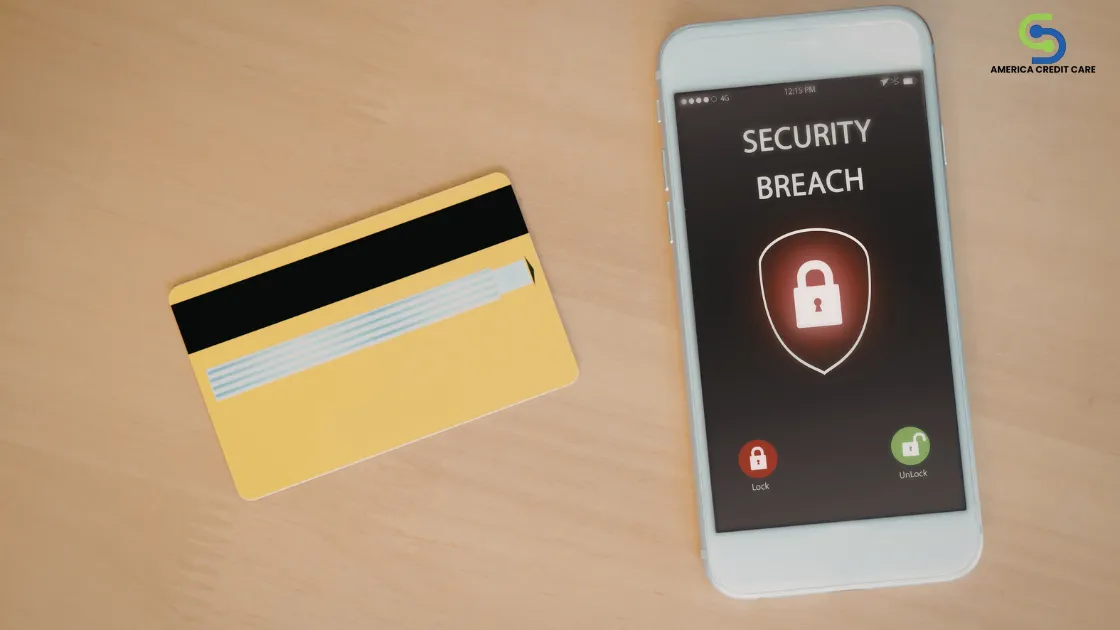
Identity Theft & Credit Fraud: How to Restore & Protect Your Credit Profile
Cases of identity theft and credit fraud are more common than most people in the US think they are. According to the Federal Trade Commission’s (FTC) 2024 Consumer Sentinel Network Data Book, consumers reported losing a staggering $12.5 billion to fraud in 2024. Compared to the previous year, the losses registered a 25% increase over the previous year.
The FTC's Consumer Sentinel Network serves as a secure database that aggregates consumer complaints directly from individuals, alongside submissions from federal, state, and local law enforcement, the Better Business Bureau, business associations, and nonprofits. Over 20 states actively share data with the platform.
In 2024, Sentinel logged 6.5 million reports covering a wide range of issues, from the fraud losses outlined earlier to identity theft cases and other consumer grievances, including disputes with credit bureaus, banks, and lenders.
During the same period, more than 1.1 million identity theft incidents were reported via the FTC's IdentityTheft.gov portal.
Most victims don’t realize their credit has been compromised until the damage is done. They wake up to a notification that their mortgage application has been denied, or learn about a maxed-out credit card for a store they never visited.
Book Your FREE Personal Credit Consultation Today!
Your credit score is the silent gatekeeper to your lifestyle; it affects everything from the odds of getting a mortgage or car loan at favorable terms and insurance premiums to your employment opportunities.
When a fraudster hijacks that score, they aren’t just stealing money; they are stealing your future opportunities.
Yes, if credit fraud due to identity theft is left unchecked, it can choke out your borrowing power and financial peace of mind.
Fortunately, you have powerful federal protections on your side. You do not have to be a victim of your data. Yes, full recovery from identity theft and credit fraud is possible. Your credit profile belongs to you, and the Fair Credit Reporting Act (FCRA) provides you with a "legal sledgehammer" to remove inaccuracies and fraudulent accounts.
Here in this post, we will discuss the mechanics of credit fraud (resulting from identity theft) and ways to scrub the slate clean.
Common signs of identity theft on credit reports
Telltale signs of identity theft on credit reports often appear as subtle red flags that can quickly escalate if ignored. If you manage to spot them early, you can you act fast to limit damage:
New accounts you didn't open: Look for credit cards, loans, or lines of credit listed in your name that you have no record of applying for. Unfamiliar accounts appearing on credit reports are prime signs thieves used your information to rack up debt. Any new credit card, personal loan, or utility account that you didn't open is a definitive breach.
Unfamiliar inquiries: Hard inquiries from lenders (not your own applications) you never applied with, show someone tried pulling your report to open accounts. Keep in mind that even one unauthorized hit can hurt your score.
Incorrect personal details: Wrong addresses, phone numbers, employers, or even name variations (like a misspelled middle initial) suggest fraudsters updated some information to match stolen data. Thieves often change the mailing address, phone number, or employer listed on your profile to divert statements and billing notices away from you.
Inaccurate balances: If your existing cards show sudden balance spikes or "late" statuses for accounts you know you’ve paid, a thief may have gained access to your existing lines of credit.
Score and debt cues: Sudden drops in your credit score without a valid explanation may be due to missed payments on fraudulent accounts. Since the payment history drives 35% of FICO scores, the resulting impact is visible within a month or two. Other derogatories like collections, charge-offs, or bankruptcies you don't recognize also scream trouble.
Writ of executions or judgments: In extreme cases, you may come across legal judgments for debts you never incurred; they may indicate that a fraudster has ignored court summons sent to a fraudulent address.
Utilize the "Golden Hour" in identity theft and credit fraud cases
Once you realize your information has been stolen, do keep in mind that the first 24 to 48 hours are critical. Here’re the steps you can take right away to protect your credit profile:
Step 1: Place a fraud alert
Contact any one of the three major credit bureaus and request them to place a fraud alert. The selected bureau must communicate with the other two.
A fraud alert makes it harder for scammers to open fresh accounts using your personal information. You can still apply for new credit but once a fraud alert is in place, lenders must verify your identity before they approve new credit.
By default, this fraud alert is placed for a period of one year. It can be extended for a period of 7 years with an FTC report.
Visit Experian website or call 1-888-397-3742
Visit TransUnion website or call 1-800-680-7289
Visit Equifax website or call 1-888-766-0008
This (fraud alert) service is available for free and you should receive a confirmation letter from each credit reporting agency.
Step 2: Initiate a credit freeze
Next, you may freeze your credit files at:
In this case, you need to contact each bureau separately.
Under the Economic Growth, Regulatory Relief, and Consumer Protection Act (S.2115), these freezes are free and do not affect your credit score.
A credit freeze will completely lock your report (i.e. no access without thaw). For any new applications, you will need to temporarily lift a credit freeze.
Step 3: Report to IdentityTheft.gov
Report identity theft and credit fraud to the FTC at IdentityTheft.gov (or call 1-877-438-4338). Try to include as much information as possible. When you file a report here, you receive a formal "Identity Theft Report" . This document serves as your legal proof when you dispute fraudulent accounts on your own or hire a dedicated credit repair company to file disputes on your behalf.
Keep in mind that when you create a new account on the portal, you will be able to access the Identity Theft report and recovery plan (along with pre-fill forms, letters, etc.) anytime. But, if you skip the account creation step, make sure you print and download the report and other documentation immediately; once you exit the page, you won’t be able to access the files again.
Step 4: File a police report
While the FTC report is often sufficient, a local police report provides an extra layer of legal protection under the Fair Credit Reporting Act (FCRA) (15 U.S.C. § 1681c-1). You can visit your local police office with your Identity Theft report, government-issued photo ID, proof of address and any evidence of theft. Be sure to get a copy with case-number for proof.
Step 5: Communicate with affected companies
Contact fraud departments at affected companies and tell them about identity theft.
Speak to the person responsible for attending to identity theft and credit fraud related complaints, demand account closure, no new charges, and a liability waiver letter. You may choose to close or freeze an account. After that, a thief cannot add charges to your account. You can also follow up with affected companies in writing via certified mail.
For debts, you can invoke the Fair Credit Billing Act; you can dispute within 60 days to halt collections. At a later stage, when you have your Identity Theft report available, you may need to contact the affected companies again.
Thieves often target personal information through phishing, data breaches, or stolen mail; next, they open fraudulent accounts that tank your credit score overnight. Inaccurate late payments, charge-offs, collections, high balances, and inquiries can drop your credit score by 100+ points easily.
Young adults typically face higher risks, with scam victimization doubling to 62% in 2025 for some groups. So, it's important to be proactive when you first notice the signs of identity theft or credit fraud.
Restoring your credit profile after identity theft and credit fraud
The FCRA (15 U.S.C. § 1681i) mandates that credit bureaus must investigate any disputed information and delete it if it is found to be inaccurate or unverifiable If you provide an Identity Theft Report, bureaus are required to block fraudulent information within four business days (15 U.S.C. § 1681c-2) or often 1 hour electronically under FCRA §605B.
Book Your FREE Personal Credit Consultation Today!
For existing accounts with unauthorized charges, the Fair Credit Billing Act (FCBA) limits your liability. For credit cards, the maximum liability for unauthorized charges is $50, though most major issuers offer "Zero Liability" policies as standard (15 U.S.C. § 1601; 12 CFR Part 1026).
Keep in mind that you should never handle disputes over the phone. Always send all dispute letters via Certified Mail with Return Receipt Requested. Include a copy of your FTC Identity Theft Report and explicitly request that the information be blocked or removed.
Bureaus must investigate a credit dispute within 30-45 days; verified fraud gets deleted or blocked under FCRA §605B (often in 4 days with FTC Identity Theft report). Full cleanup can stretch 1-6 months depending on disputes and creditor response.
As discussed above, you should also notify creditors’ fraud departments. You can also ask creditors to stop furnishing information (to credit bureaus) under FCRA §623.
What to do if credit bureau denies my credit fraud dispute
Federal laws like the FCRA give you strong escalation options to force a proper review. Bureaus often deny due to incomplete docs or furnisher verification, but you can re-dispute or alter your strategy.
For example, you can demand a written explanation from the bureau. They must provide results of the investigation, including what the creditor said and copies of any docs used. Review the documentation you receive for errors like ignored FTC reports or no furnisher response (which requires deletion).
Your credit restoration service provider can file a second dispute with more evidence. Make sure to include the FTC Identity Theft Report, police report, creditor correspondence, ID copies, and specifics on why their verification failed (e.g., "Creditor didn't confirm my signature").
You can also attach a 100-word consumer statement to your file explaining the fraud. Lenders see this information when they pull your credit reports. This might help if you are planning to apply for a car or house loan in the near future.
Next, you can also escalate your complaint to CFPB or FTC; they pressure bureaus/creditors to comply. An inaccurate derogatory item is automatically deleted if there is no response from the furnisher in 30 days.
In extreme cases, victims may also decide to hire an attorney and sue under FCRA for willful non-compliance (up to $1,000+ damages, fees).
How a reputed credit repair company can help
While federal law empowers you to handle restoration on your own, the process is often a marathon. This is where a reputed credit repair company like AMERICA CREDIT CARE, operating under the Credit Repair Organizations Act (CROA) can be an invaluable partner. A dedicated credit restoration service provider offers several advantages:
Professionals understand the nuances of the FCRA, FCBA, and FDCPA to spot technical violations that an untrained eye might miss.
Credit restoration following identity theft and credit fraud involves constant correspondence. A credit repair specialist manages this documentation meticulously to counter stall tactics.
A credit repair company can act as a professional intermediary and ensure your rights are protected during debt validation processes.
Experts provide personalized guidance on credit utilization to help your score bounce back faster once fraudulent items are removed.
Book Your FREE Personal Credit Consultation Today!
Identity theft is a serious violation, but the law is heavily weighted in favor of the consumer. You just need to follow the procedures. So, stay vigilant and document every step. With the right approach, you can see your credit score jump 100-200 points in months.

LET'S TALK
Get in Touch.
Thank you for your interest in Credit Care of DMV. Please use the contact form to tell us about your inquiry and/or needs. We look forward to partnering with you.

Office
NMLS ID 2423540
16701 Melford Blvd
Ste 400
Bowie, MD 20715

Email Us

Phone Support
+1 (240)-347-5995- Calls
+1 (240) 376-2552 - Text
GET IN CONNECTED
Follow Our Social Media


Need help?
Don't hesitate to contact us.
We have many years of experience in evaluating credit and guiding consumers to assert their legal rights. We do it every day! We guarantee honesty and dependability, virtues which most people seem to have forgotten.



FREE DIY Credit Repair Toolkit!
Signup for our DIY Credit Repair Toolkit! Also get updates, promotions, news & insight about finance.
Copyright ©2026 America Credit Care. All rights reserved. Powered by WebbArtt Solutions
Legal Notice
NMLS # 2423540
Term of Use
Privacy Policy
Cookie Policy
We have many years of experience in evaluating credit and guiding consumers to assert their legal rights. We do it every day! We guarantee honesty and dependability, virtues which most people seem to have forgotten.

Copyright © 2026 America Credit Care. All rights reserved. Powered by WebbArtt Solutions